
Hydroponics and indoor growing
Measure first.
Then grow.
Most indoor plants do not die from neglect. They die from guessing. A pH that drifts overnight. A tent that runs ten degrees warmer than you think. Root Plot gives you the numbers to aim for, and plain reviews of the meters, tents and tools that get you there.
Target readout · typical hydroponic grow
pH
5.5 to 6.5
In range
PPM
500 to 1000
In range
RH
50 to 60 %
In range
Ranges change by plant and growth stage. The guides below explain when to move them.
Specs and manuals. Every review starts with the maker’s own numbers.
Verified owner reviews. We read what real buyers report after months of use.
No lab claims. We research. We do not pretend to test in a lab we do not have.
Start where your problem is
Three panels. One healthy grow.
Think of your grow room like a control board with three dials. Set up the space. Feed the roots. Check the numbers. When plants struggle, the fix almost always lives on one of these three panels.
Panel 01
Setup
Grow tents, grow boxes, lights, fans and ducting. A 2 by 2 foot tent with one small LED is enough to grow herbs all winter. Start small. Size the fan to the tent, not to your hopes.
Panel 02
Feed
Growing media, nutrient solutions and pH control. Clay pebbles, coco coir and rockwool each drink differently. Mix nutrients into the water first, then adjust pH last. Doing it the other way round wastes the bottle.
Panel 03
Check
pH meters, TDS meters, hygrometers, moisture meters and the care tools that follow. A ten dollar hygrometer can save a hundred dollar harvest. Calibrate your pH pen once a month and it will tell you the truth.
Bench picks
The reviews people open first
Each review is built around one question: what do you actually need this tool to do? A hygrometer for a greenhouse has a different job from one in a closet tent. We compare specs, read owner reports, and tell you which model fits which situation.
RH %
Check · Hygrometers
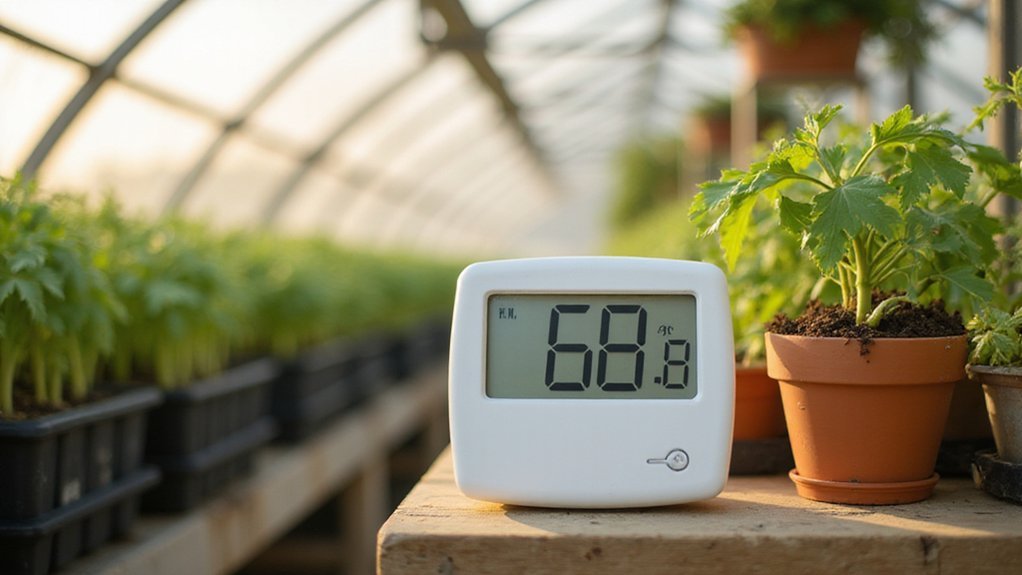
Best Hygrometer for Greenhouse
Greenhouses swing from damp dawn to dry noon. We look for sensors that cope with condensation and log the highs and lows while you sleep.
H2O
Check · Moisture meters
Best Moisture Meter for Olive Tree
Olive trees hate wet feet. A long probe that reads deep in the pot stops the most common mistake with these trees: watering by habit instead of by need.
pH
Check · Test strips
Best pH Level Test Strips for Water
Strips are cheap and never need calibrating. The catch is the colour chart. We compare which packs are readable in the narrow 5.5 to 6.5 band that hydroponics lives in.
PPM
Check · TDS meters
Best TDS Meter for Carnivorous Plants
Venus flytraps and pitcher plants want water under about 50 PPM. Tap water can be five times that. The right meter makes a cheap safety check before every watering.
BOX
Setup · Grow boxes
Best Grow Box for Plants
A grow box is a tent with the thinking done for you: light, fan and timer in one cabinet. Ideal if you have a spare corner and no patience for ducting.
CUT
Check · Plant care tools
Best Electric Pruning Shears with Extension Pole
For the tall plants and high branches a ladder makes risky. We compare cutting diameter, battery life and how much the pole weighs after twenty minutes overhead.
Root Plot is reader supported. When you buy through links on this site we may earn an affiliate commission at no extra cost to you. Our picks come from published specs and verified owner reviews, not from the commission.
Target ranges
Humidity is a schedule, not a setting
Here is the mistake almost every new grower makes. They set the tent to one humidity and leave it there. Seedlings love moist air. Flowering plants rot in it. Picture a cutting with no roots yet: it drinks through its leaves, so it needs humid air. By harvest the same plant has dense flowers that trap moisture, so dry air keeps mould away.
A hygrometer with a high and low memory shows you what the tent did overnight, which is where most problems start.
Relative humidity by growth stage · commonly recommended ranges
Bars show the middle of each range. Figures are the ranges most grower guides and equipment manuals agree on. Your plant type may ask for a little more or less.
5.5 to 6.5
pH for hydroponics
6.0 to 7.0
pH for soil
70 to 80 °F
Daytime tent temperature
Latest from the grow room
New guides on the panel
Fresh answers to the questions growers ask most. Each one is written to be read in one sitting and acted on the same day.
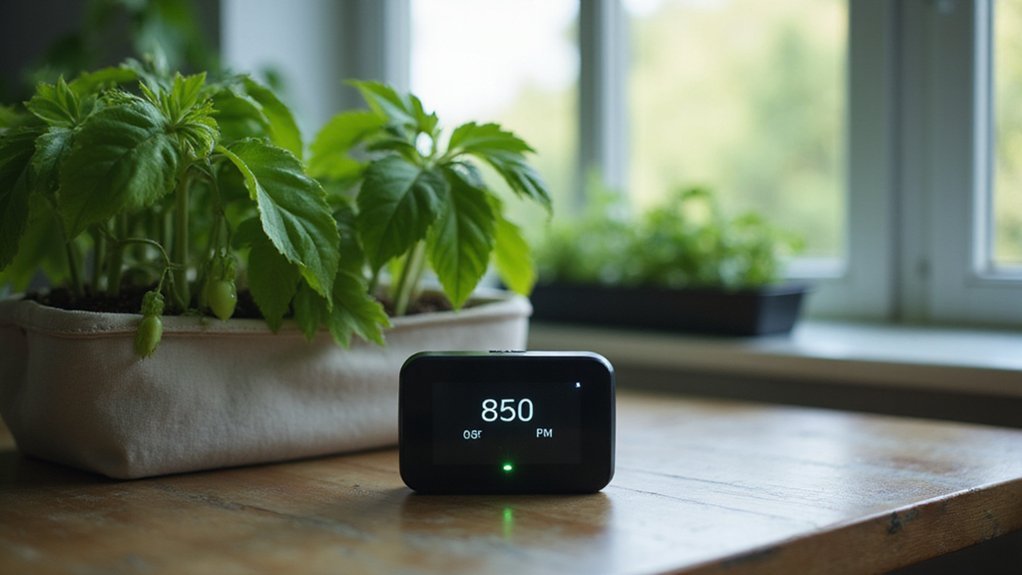
 Open: What Is a CO2 Monitor? Why Your Grow Needs One
What Is a CO2 Monitor? Why Your Grow Needs One
Grow faster plants by knowing exactly when to inject CO₂, ending guesswork for good.
- Open: 10 Best Hygrometers That Keep Your Greenhouse Thriving Every Season
10 Best Hygrometers That Keep Your Greenhouse Thriving Every Season
How to find your greenhouse’s perfect humidity monitor—discover which 10 models actually deliver.
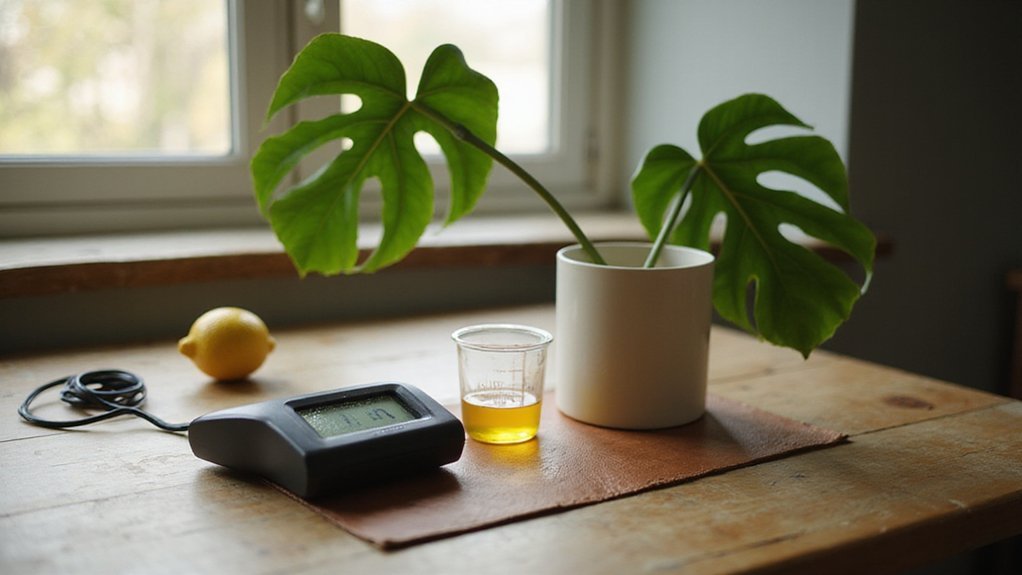
- Open: How to Calibrate a VIVOSUN pH Meter: Easy Steps
How to Calibrate a VIVOSUN pH Meter: Easy Steps
Properly calibrating a VIVOSUN pH meter ensures accurate results, but only if you follow the steps ahead.
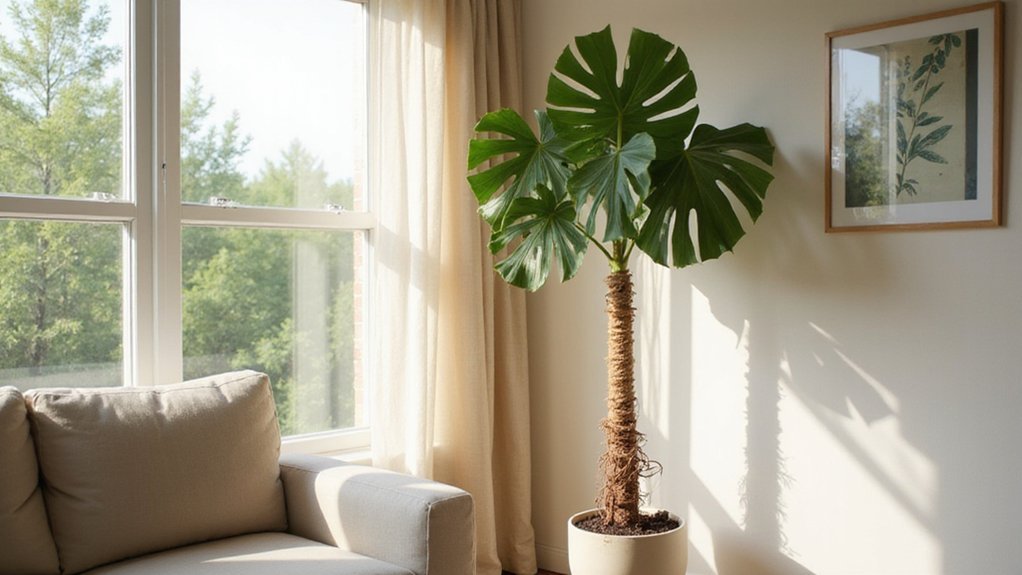
- Open: 10 Best Coco Coir Poles That Monsteras Absolutely Cling To
10 Best Coco Coir Poles That Monsteras Absolutely Cling To
Looking for the 10 best coco coir poles that make Monsteras climb? Discover which ones truly deliver.
- Open: How to Use a TDS Meter: Testing Made Simple
How to Use a TDS Meter: Testing Made Simple
A TDS meter ensures accurate water testing when calibrated correctly, but do you know what ruins your reading?
- Open: 9 Moisture Meters That Olive Tree Owners Trust
9 Moisture Meters That Olive Tree Owners Trust
I uncover the 9 moisture meters olive growers trust most, revealing which one fits your grove’s needs perfectly.
Know your numbers
Four readings that explain most plant problems
You do not need a degree to run a healthy tent. You need to understand four numbers and own the cheap tools that read them.
pH
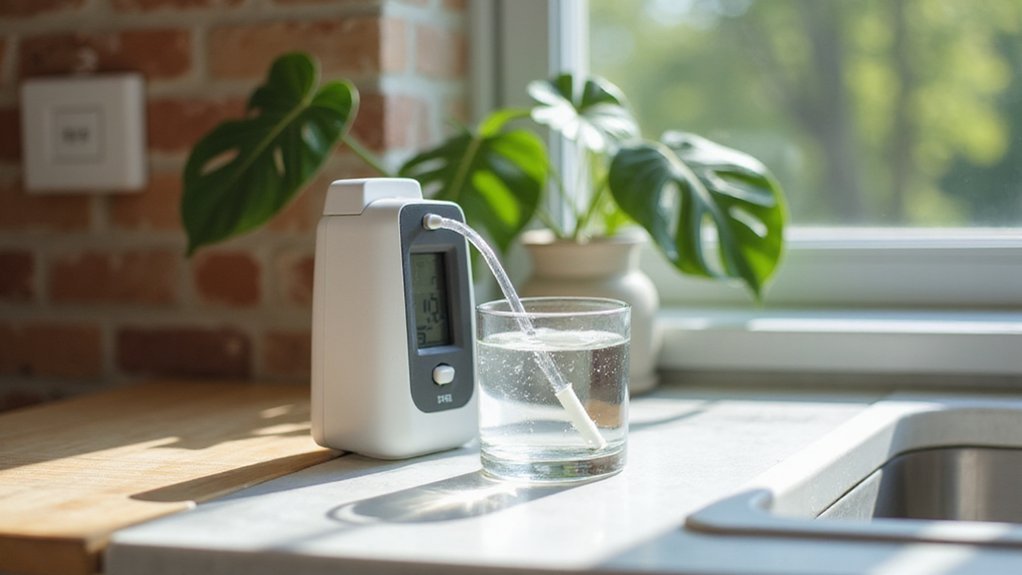
How acidic or alkaline your water is. Nutrients only dissolve properly inside a narrow band. Too far out and the plant starves with a full reservoir in front of it. Test it after every nutrient change.
PPM / EC
How strong your nutrient water is. PPM means parts per million and EC means electrical conductivity. Both measure the same thing with different units. Rising PPM between top ups means the plant is drinking water faster than it is eating food.
RH
Relative humidity, the amount of moisture in the air. High RH slows drinking and invites mould. Low RH makes leaves curl and stresses the plant. Check it at the canopy, not at the floor of the tent.
Soil moisture
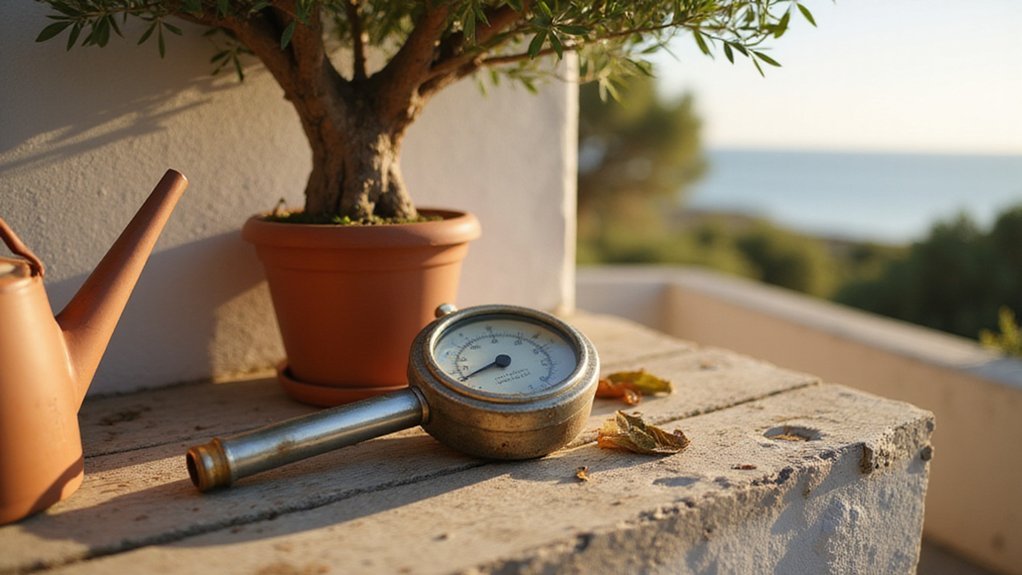
How wet the root zone is, read with a probe. The top inch lies. It dries first while the bottom stays soaked. A probe reads where the roots live and ends the overwatering guesswork for good.